
 + 86 18721624519
Үйлдвэрлэлээс хэрэглээ хүртэл: Алслагдсан Африкт нарны эрчим хүчээр ажилладаг бааз станцын амжилттай хэрэгжилт
Хайжоул Сахарын цөлөөс урагш орших Африк даяар "Сүлжээгүй бол дохиогүй" асуудлыг хэрхэн шийдвэрлэж байна вэ?
Африкт бааз станц байрлуулах сэдвийн хүрээнд нэг хэцүү, бодитой асуулт гарч ирсээр байна:
Тогтвортой цахилгаан сүлжээгүйгээр цахилгаан холбооны бааз станц хэрхэн хязгааргүй ажиллах вэ?
Ялангуяа Мавритан, Нигер, Кенийн дотоод хэсэг болон үүнтэй төстэй бүс нутгуудад мянга мянган газар ижил төстэй бэрхшээлтэй тулгарч байна:
- Нийтийн сүлжээнд холбогдох боломжгүй
- Дизель түлшний тээврийн зардал хэт өндөр байна
- Цаг уурын эрс тэс нөхцөл байдал (халуухан халуун + элсэн шуурга)
- Үйл ажиллагаа болон засвар үйлчилгээний нөөц хомс байна
Энэ нөхцөл байдлын улмаас Нарны эрчим хүч + Хадгалах + Дизель Эрлийз Систем (нэгдсэн нарны эрчим хүч-хадгалах-дизель) нь Африкийн сүлжээнээс гадуурх бааз станцуудын давамгайлсан эрчим хүчний архитектур болж байна. Энэхүү нийтлэлд Африкийн хамгийн алслагдсан газруудад цахилгаан эрчим хүчний хангамжийг хэрхэн тогтвортой хангаж байгааг яг таг задлан шинжлэхийн тулд Хайжоулын бодит ертөнцийн төслийн тохиолдлуудыг ашигласан болно.
1-р хэсэг: Африкийн бааз станцуудын тулгарч буй бодит эрчим хүчний сорилт
Африкийн олон оронд суурь станцыг цахилгаанаар хангах нь "залгаад ажиллуул" гэдэг шиг энгийн зүйл биш юм. Энэ бол хоорондоо холбоотой гурван асуудалд хуваагдаж болох системийн эрчим хүчний сорилт юм.
1. Цахилгаан сүлжээний хамрах хүрээ хангалтгүй байна
- Өргөн уудам нутаг дэвсгэрт үндэсний сүлжээ огт байдаггүй
- Хэрэв сүлжээ байгаа бол энэ нь архаг тогтворгүй байдаг
2. Дизель түлшнээс хэт хамааралтай байх
- Шатахууныг хол зайд ачиж тээвэрлэх шаардлагатай
- Ложистикийн зардал нь зөвхөн цахилгаан эрчим хүч үйлдвэрлэх өртгөөс давж болно
- Түлшний хомсдол = талбайн тасалдал
3. Ашиглалт ба засвар үйлчилгээний маш хүнд хэцүү байдал
- Байршлууд нь газарзүйн хувьд тархсан байдаг
- Гараар шалгах мөчлөг нь урт бөгөөд үнэтэй байдаг
- Алдааны хариу үйлдэл үзүүлэх хугацаа удаан байна
Дүгнэлт: Африкт найдвартай цахилгаан хангамж нь харилцаа холбооны техник хангамжийг өөрөөс нь авахаас ч илүү хэцүү асуудал юм.
2-р хэсэг: Тэргүүлэх шийдэл — Нарны эрчим хүч хадгалах дизель системүүдийн нэгдсэн систем
Африкийн бааз станцуудын өнөөгийн хамгийн боловсронгуй, өргөн хэрэглэгддэг шийдэл бол гурван эх үүсвэртэй эрлийз архитектур юм.
Нарны цахилгаан станц + Батерейны эрчим хүчний хадгалалт + Дизель генератор
Үйлдлийн логик нь маш энгийн:
| Эх сурвалж | үүрэг |
| Нарны PV | Өдрийн цагаар эрчим хүчний гол эх үүсвэр |
| Зай хадгалах сан | Шөнийн эрэлтийг хангаж, хэлбэлзлийг жигд болгодог |
| Дизель генератор | Цаг агаарын онцгой байдлын үед нөөцлөх |
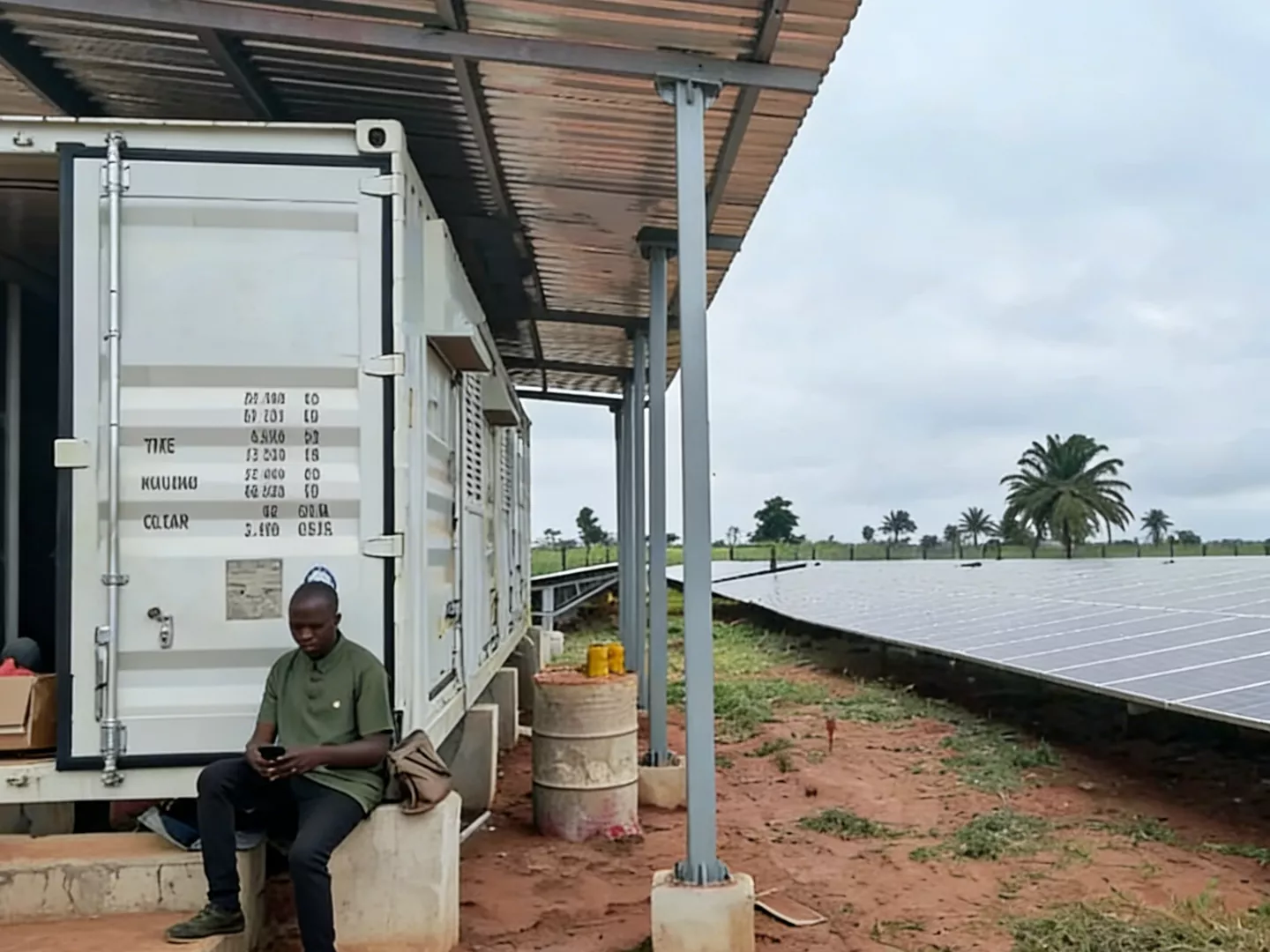
3-р хэсэг: Хайжоулын кейс судалгаа — Мавританийн цахилгаан холбооны бааз станцууд
Дараах нь сүлжээнээс гадуурх телеком сайтуудын бодит ертөнцийн байршуулалтын жишээ юм:
| Төслийн байршил | Мавритан, Баруун Африк |
| Хэрэглээний хувилбар | Алсын зайн цахилгаан холбооны суурь станцуудад зориулсан сүлжээнээс гадуурх цахилгаан хангамж |
| Төслийн цар хүрээ | 7 нэгдсэн эрчим хүчний системийн нэгжийг байршуулсан |
| Сайтын нөхцөл | Цахилгаан хангамжийн шугам сүлжээгүй / хэт халуун / хүчтэй элсэн шуурганд өртөх |
3.1 Төслийн зорилго
Төслийн үндсэн зорилтуудыг тодорхой тодорхойлсон байсан:
- Цахилгаан хангамжийн сүлжээнд огт холбогдоогүй газруудад найдвартай эрчим хүч нийлүүлэх
- Суурь станцын үйл ажиллагааны тогтвортой байдал болон ажиллах хугацааг сайжруулах
- Дизель түлшний хэрэглээ болон түүнтэй холбоотой ложистикийн зардлыг эрс бууруулна
- Удаан хугацааны турш хараа хяналтгүй бие даасан ажиллагааг идэвхжүүлэх
Үндсэндээ: цахилгаан эрчим хүчний дэд бүтэцгүй бүсэд цахилгаан холбооны бааз станцыг тогтвортой, тодорхойгүй хугацаагаар ажиллуулах.
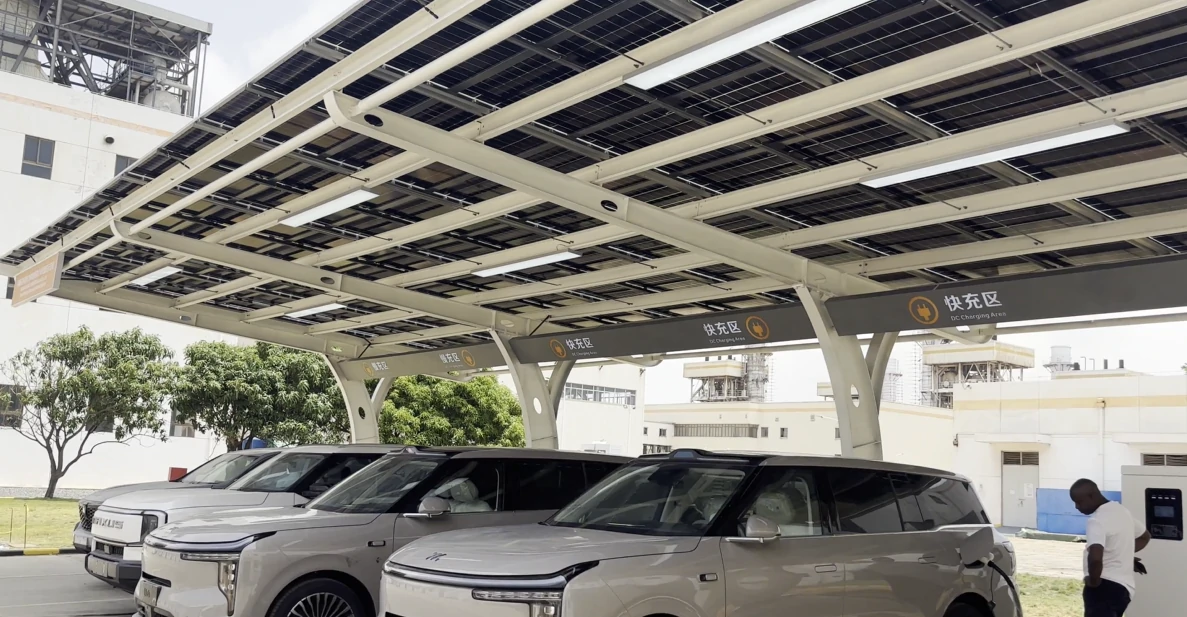
3.2 Системийн архитектурын зураг төсөл (Нарны эрчим хүч хадгалах байгууламж-Дизель интеграци)
Төсөл нь сонгодог гурван эх үүсвэртэй нэгдлийн архитектурыг ашигладаг:
Нарны гэрэл цахилгаан станц (Анхдагч эрчим хүчний эх үүсвэр)
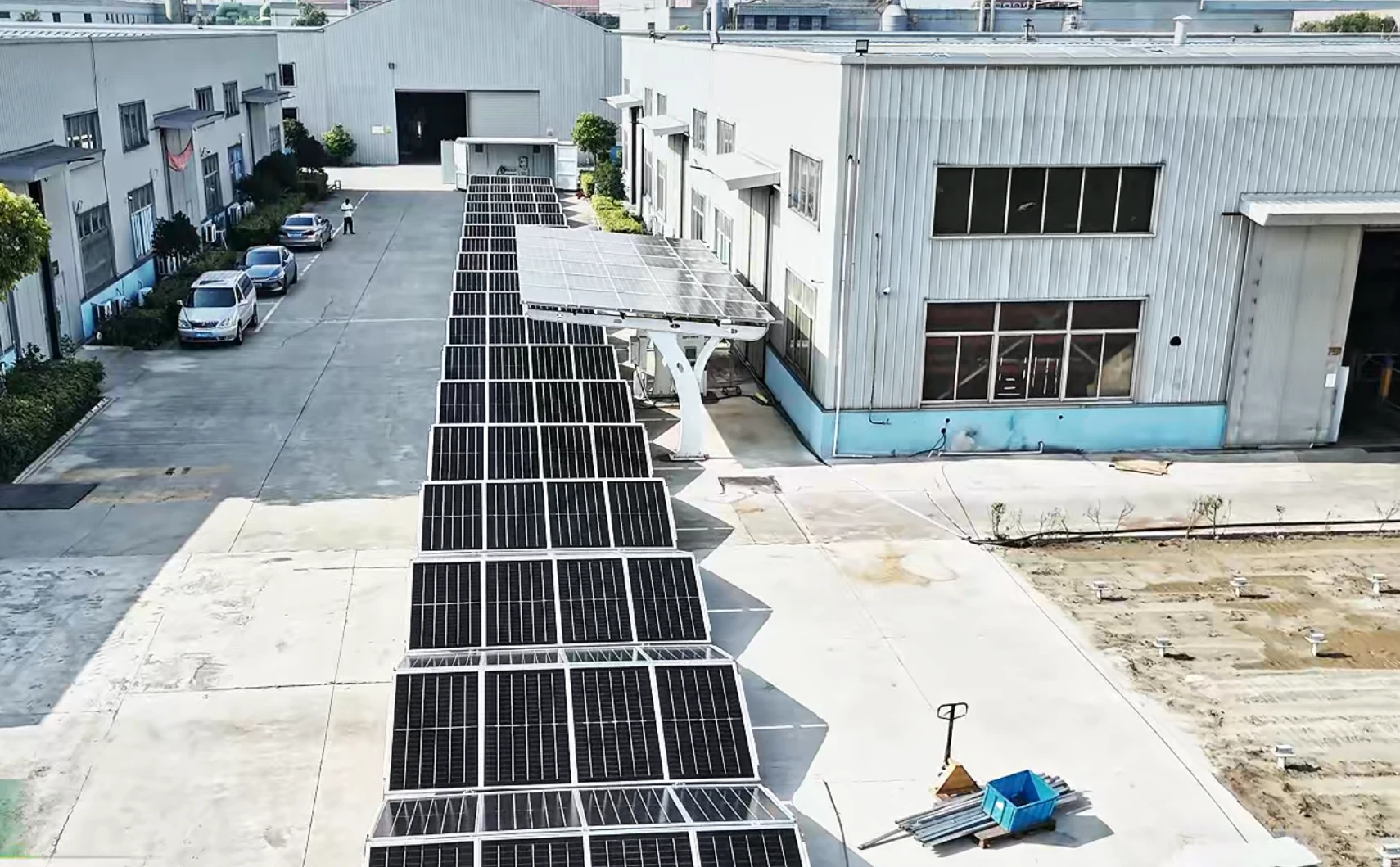
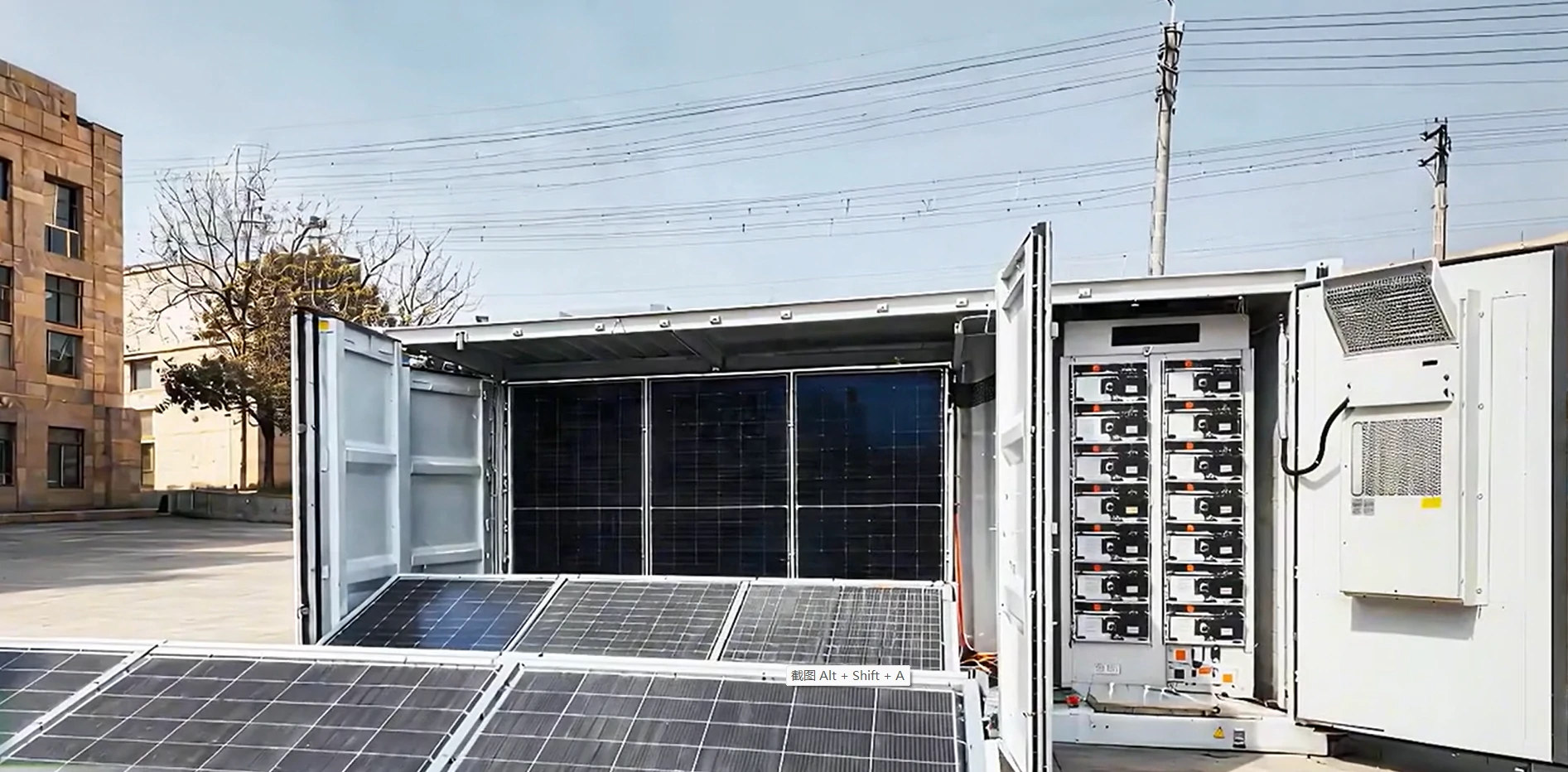
- Захиалгат угсралтын бүтэцтэй олон тооны фотоэлектрик модулийн массивууд
- Өдрийн цагаар нэн тэргүүнд нийлүүлэх + батерейг нэгэн зэрэг цэнэглэх
Батерейны эрчим хүч хадгалах систем (Гол буфер)
- LFP (Литийн төмрийн фосфат) батерейны систем
- 48V телеком стандартын архитектур
- Өндөр найдвартай дизайнтай өргөтгөсөн гүн мөчлөгийн чадвар
чиг үүрэг:
- Шөнийн цахилгаан хангамж
- Үүлэрхэг өдрийн нөхөн төлбөр
- Дизель генераторын асаах давтамжийг бууруулах
Дизель генератор (Хамгаалалтын сүүлийн шугам)
- 16 кВт / 20 кВА гадаа чимээгүй дизель генератор
- Ухаалаг автомат эхлүүлэх/зогсоох удирдлага
чиг үүрэг:
- Урт хугацааны үүлэрхэг үед нөөцлөх
- Оргил ачааллын нэмэлт тэжээл
- Системийн хамгийн дээд зэргийн аюулгүй байдлын тор
3.3 Үндсэн тоног төхөөрөмжийн тохиргоо (Инженерийн түвшний задаргаа)
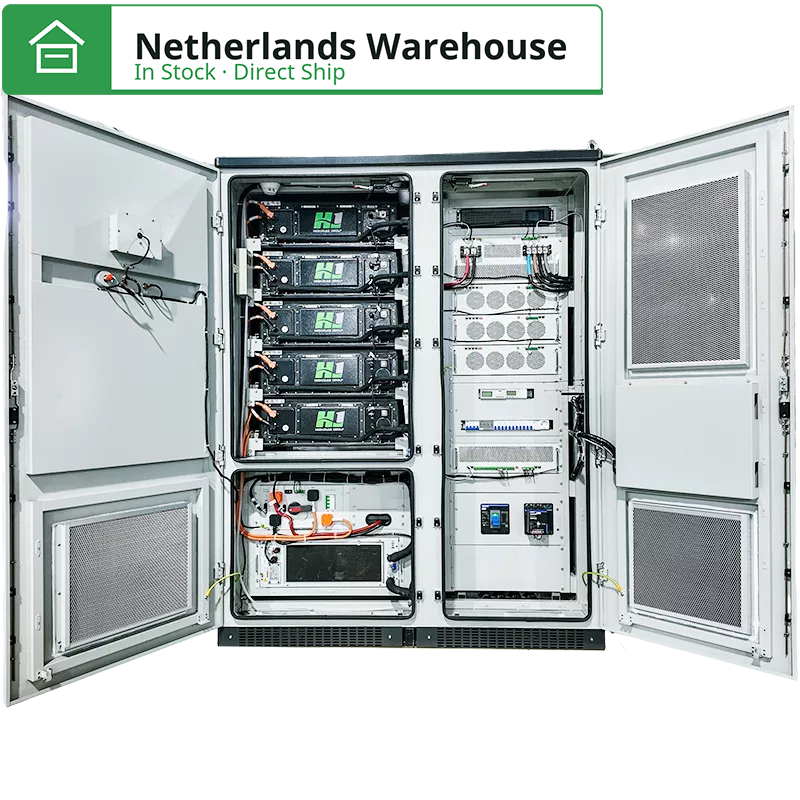
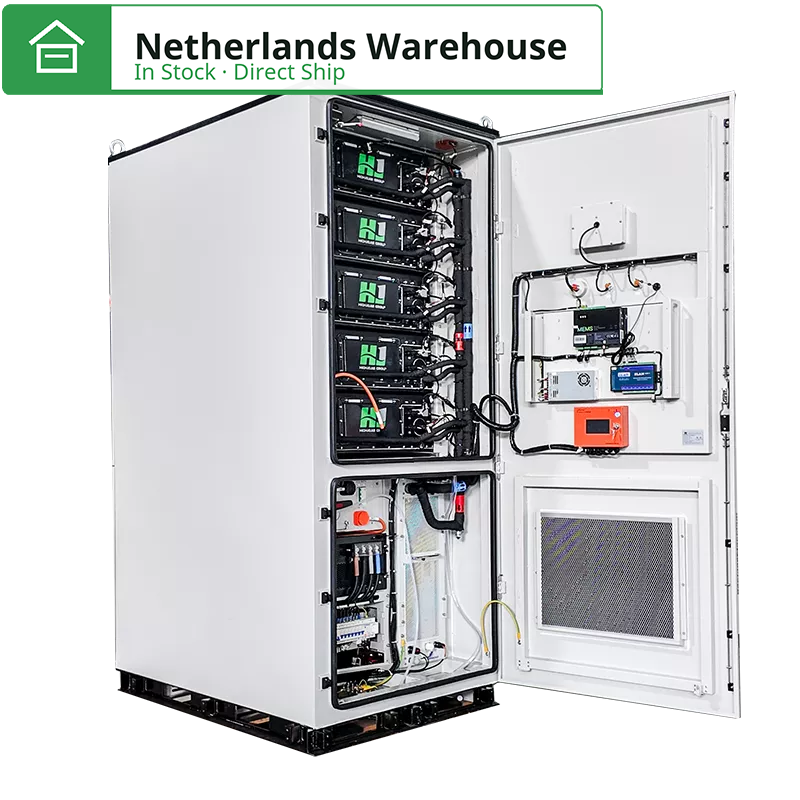
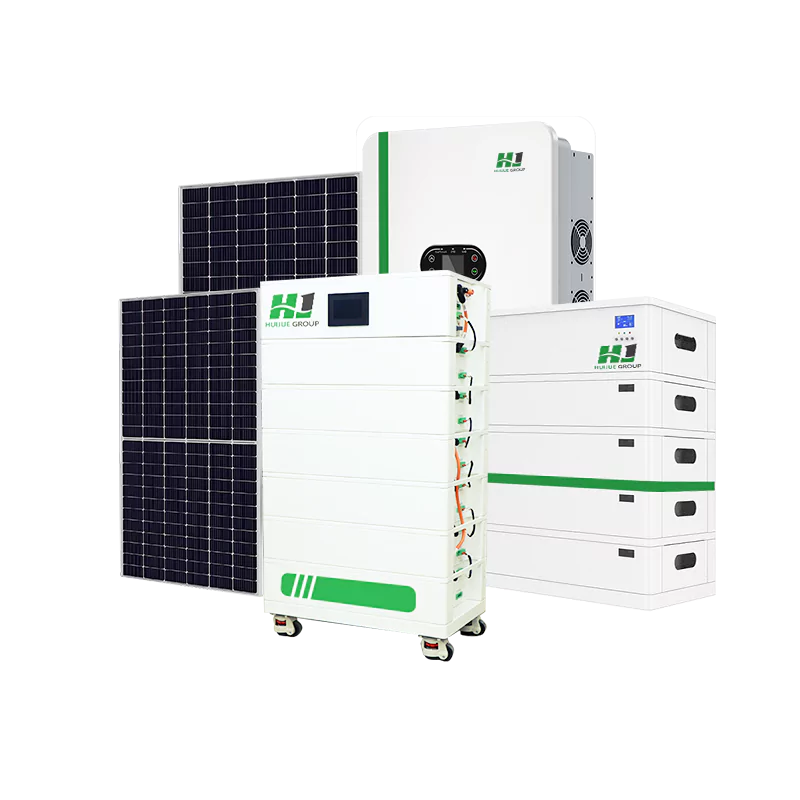
| Бүрэлдэхүүн хэсэг | Үзүүлэлтүүд / Онцлог шинж чанарууд |
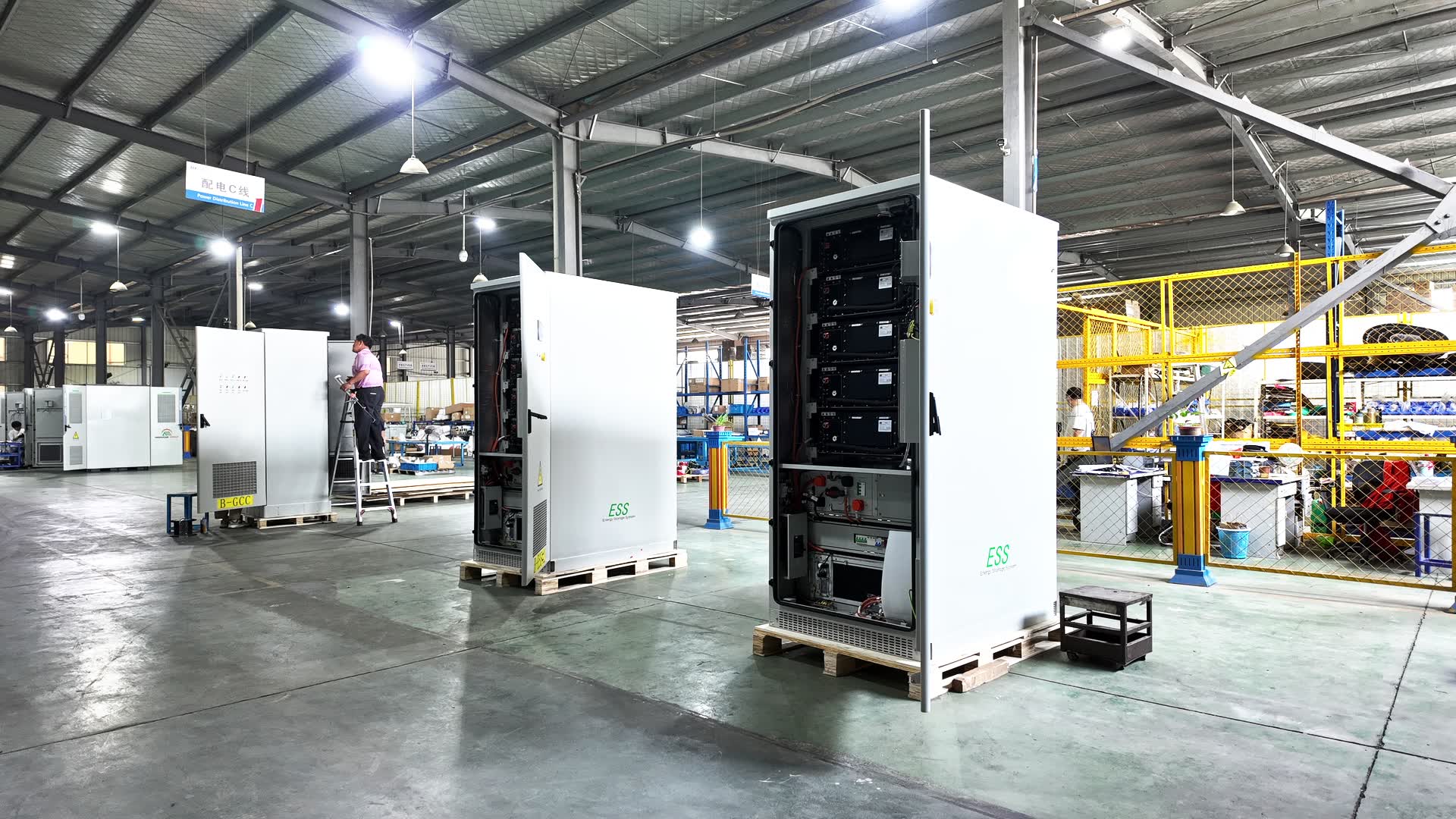
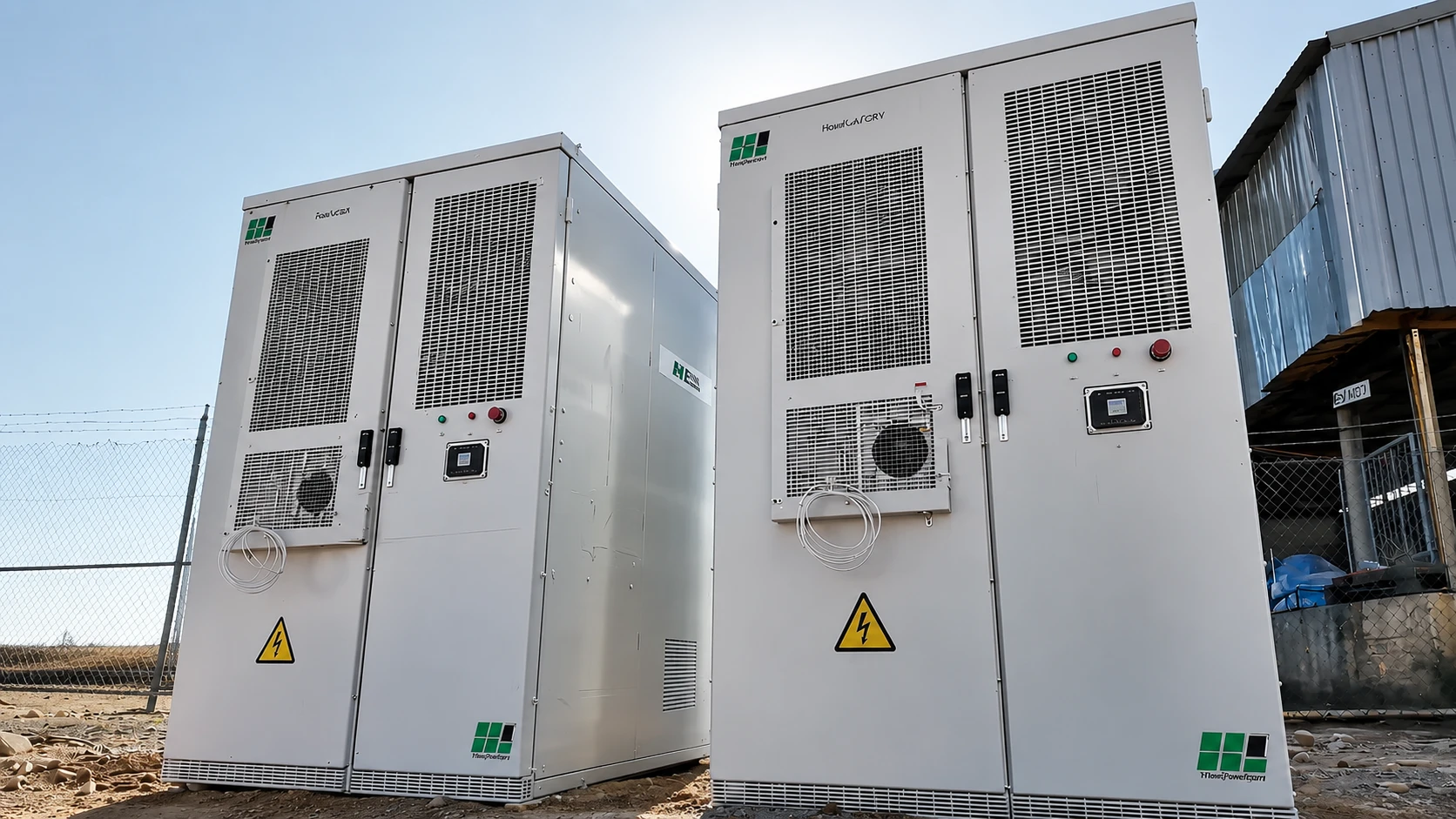
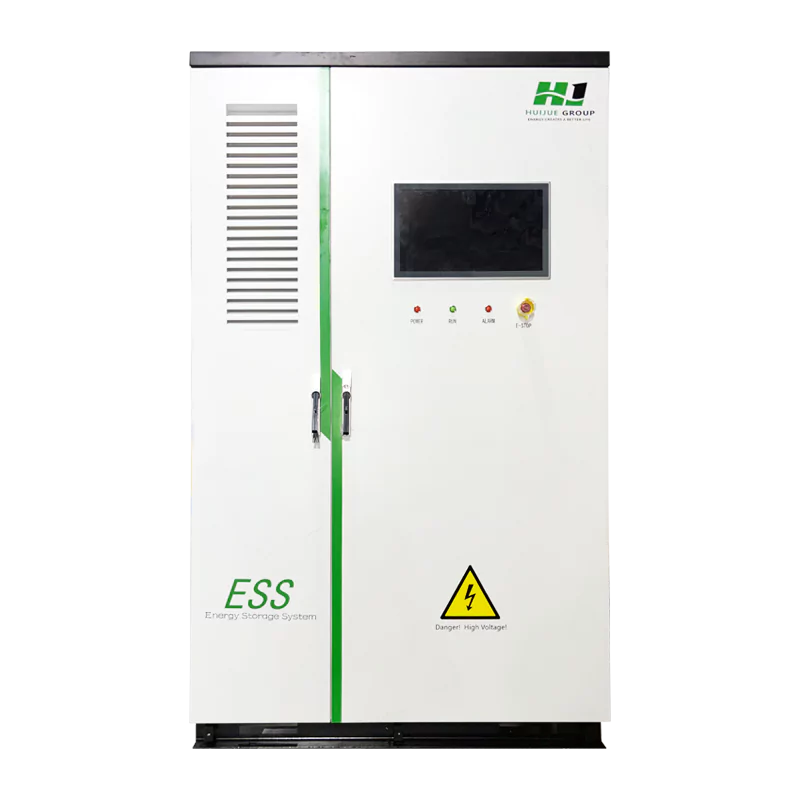
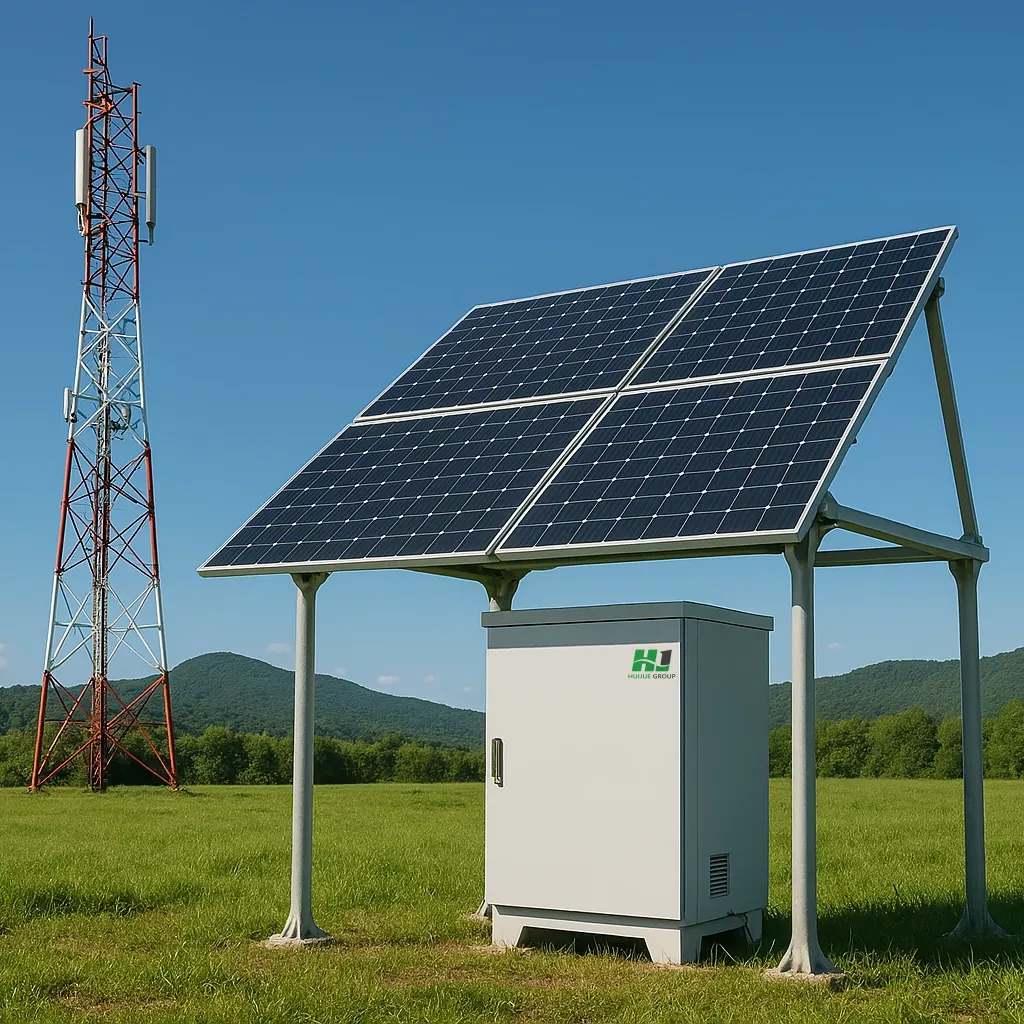
| Гаднах шүүгээ | 2000×1500×800 мм; цайрдсан ган; хэт халуунд тэсвэртэй + элс нэвтрэх чадвартай |
| Дулааны менежмент | 4× 48V DC сэнс; ухаалаг термостатын удирдлага; өндөр температурын хэт ачааллаас сэргийлдэг |
| Батерейны систем | LFP хими; урт хугацааны ашиглалтын хугацаа; тасралтгүй телеком үндсэн ачаалалд оновчтой болгосон |
| Яаралтай тусламжийн үйлчилгээ / FSU | EMS-B2010 загвар; хүчдэл, гүйдэл, SOC-ийн бодит цагийн хяналт; фотоэлектрик / батерей / генераторыг автоматаар илгээдэг |
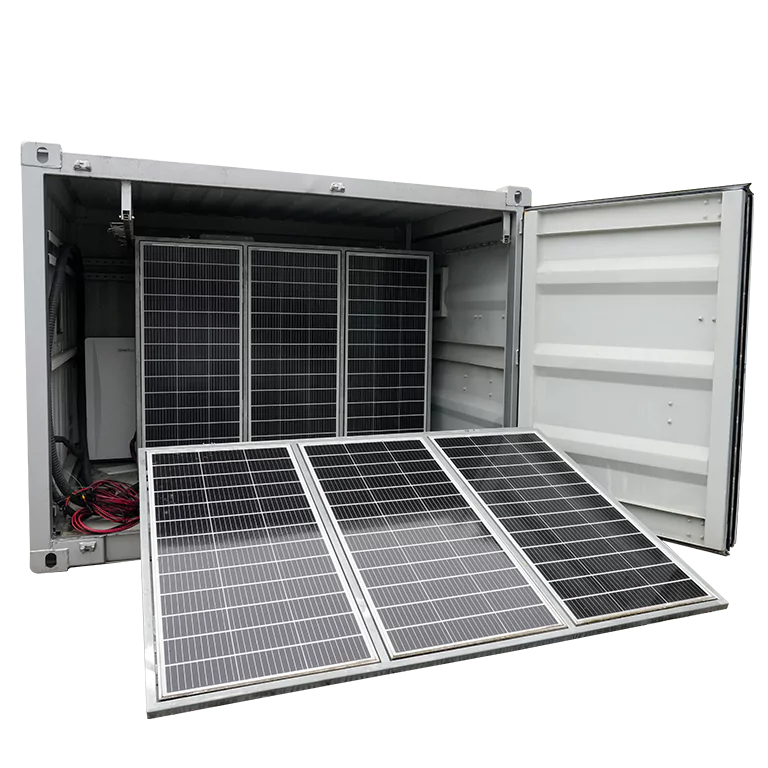
| PV & Цахилгаан түгээлт | Фотоэлектрик модулиуд + тавиурын бүтэц; Шулуутгагч модуль + түгээлтийн нэгж; нэгдсэн олон эх үүсвэрийн оролтын удирдлага |
4-р хэсэг: Систем хэрхэн тасралтгүй эрчим хүчийг хангадаг вэ
Төслийн гол ололт амжилт нь тоног төхөөрөмжийг давхарлан байрлуулах биш, харин эрчим хүчний түгээлтийн логик юм.
| горим | Хэрхэн ажилладаг |
| Өдрийн цаг | Нарны фотоэлектрик эрчим хүч нь тэргүүлэх хангамж юм; нэгэн зэрэг батерейны банкийг цэнэглэдэг; дизель генератор унтардаггүй |
| Шөнийн цагаар | Бааз станцын тасралтгүй ажиллагааг хангахын тулд батерейг цэнэггүйжүүлдэг |
| Extreme Weather | Удаан үргэлжилсэн үүлэрхэг байдал → дизель хөдөлгүүр автоматаар асдаг, ачааллыг авдаг, талбайн тасалдалаас сэргийлдэг |
Үр дүн: Гурван эрчим хүчний эх үүсвэр нь харилцан нөөцлөлтийг бий болгодог бөгөөд жинхэнэ тэг зогсолтгүй ажиллагааг хангадаг.
5-р хэсэг: Төслийн үнэ цэнэ
- Сүлжээнээс гадуурх хамрах хүрээг идэвхжүүлдэг — өмнө нь сүлжээнд хүрч чадахгүй байсан газруудад телеком холболтыг хангадаг
- Тогтвортой байдлыг нэмэгдүүлдэг — олон эх үүсвэрийн нөөцлөлт нь ганц цэгийн эвдрэлийг арилгана
- Дизель түлшний хамаарлыг бууруулна — түлшний хэрэглээний давтамж болон нийт ложистикийн зардлыг мэдэгдэхүйц бууруулдаг
- Ашиглалт ба засвар үйлчилгээний ачааллыг бууруулна — алсын хяналтыг автомат удирдлагатай хослуулан өндөр өртөгтэй гарын авлагын оролцоог орлоно
6-р хэсэг: Энэ шийдэл яагаад Африкт төгс тохирох вэ?
Африкийн суурь станцын эрчим хүчний системүүд нь гурван тодорхойлох шинж чанартай байдаг:
- Газарзүйн хувьд тархсан
- Анхдагчаар сүлжээнээс гадуур
- Гараар арчлахад хэцүү
Нарны эрчим хүч хадгалах-дизель эрлийз систем нь эдгээр шаардлагуудтай яг нарийн уялдаатай байдаг:
- Гадаад дэд бүтцээс бүрэн бие даан ажилладаг
- Газар дээр нь очиж үзэх нь хамгийн бага бөгөөд алсаас удирддаг
- Хүний оролцоогүйгээр эрчим хүчний эх үүсвэрүүдийн хооронд автоматаар шилждэг
7-р хэсэг: Африк тив "Дизель эрин"-ээс "Нарны эрчим хүчний нөөцийн эрин" рүү шилжиж байна
Африкийн харилцаа холбооны эрчим хүчний салбарт гурван тодорхой макро шилжилт явагдаж байгааг салбарын нотолгоо харуулж байна:
| # | эхлэн | To |
| 1 | Дизель хөдөлгүүр давамгайлсан үе | Нарны гэрэл орлуулалт |
| 2 | Гар аргаар талбайн засвар үйлчилгээ хийх | Ухаалаг алсын хяналт |
| 3 | Ганц эрчим хүчний эх үүсвэрээс хамааралтай байдал | Олон эх үүсвэрийн эрчим хүчний нөхөлт |
Замнал тодорхой байна: нэгдсэн нарны эрчим хүч хадгалах-дизель систем нь Африкийн бааз станцын эрчим хүчний де факто стандарт болж хурдацтай хөгжиж байна.
8-р хэсэг: Дүгнэлт
Мавританийн төсөл нь дараах чухал дүгнэлтийг баталгаажуулж байна:
Африкийн алслагдсан бүс нутагт цахилгаан холбооны бааз станцыг удаан хугацаанд эрчим хүчний ганц эх үүсвэрээр хангах боломжгүй. Нарны эрчим хүч + Хадгалах эрчим хүч + Дизель эрлийз систем нь өнөө үед хамгийн найдвартай шийдэл юм.
Африкийн бааз станцуудын гол асуулт бол "Сүлжээ байгаа юу?" биш, харин "Нарны эрчим хүч хадгалах, дизель эрчим хүчний нэгдсэн систем байгаа юу?" юм.
Highjoule Group-ийн тухай
Highjoule Group нь сүлжээнээс гадуурх болон сул сүлжээтэй хэрэглээнд зориулсан нэгдсэн эрчим хүчний хадгалалтын шийдлүүдэд мэргэшсэн. Манай бүтээгдэхүүний багцад гэрийн эрчим хүчний хадгалалт, арилжааны болон үйлдвэрлэлийн эрчим хүчний хадгалалт, нарны хадгалалт цэнэглэх нэгдсэн системүүд багтдаг. Гол технологийн давуу талуудад хиймэл оюун ухаанаар ажилладаг эрчим хүчний урьдчилсан мэдээ, олон талт менежмент, алсын зайнаас ашиглалт, засвар үйлчилгээ орно. Манай системүүд Африк, Зүүн Өмнөд Ази, Ойрхи Дорнод болон бусад бүс нутагт идэвхтэй хэрэгжиж байгаа нь харилцаа холбооны операторууд болон аж ахуйн нэгжүүдэд дэлхийн хамгийн хүнд хэцүү орчинд найдвартай, бие даасан, ухаалаг эрчим хүчний хангамжийг бий болгоход тусалдаг.